How to Get a Dog Interested in Puzzle Toys: 7 Effective Tips & Tricks


In this article
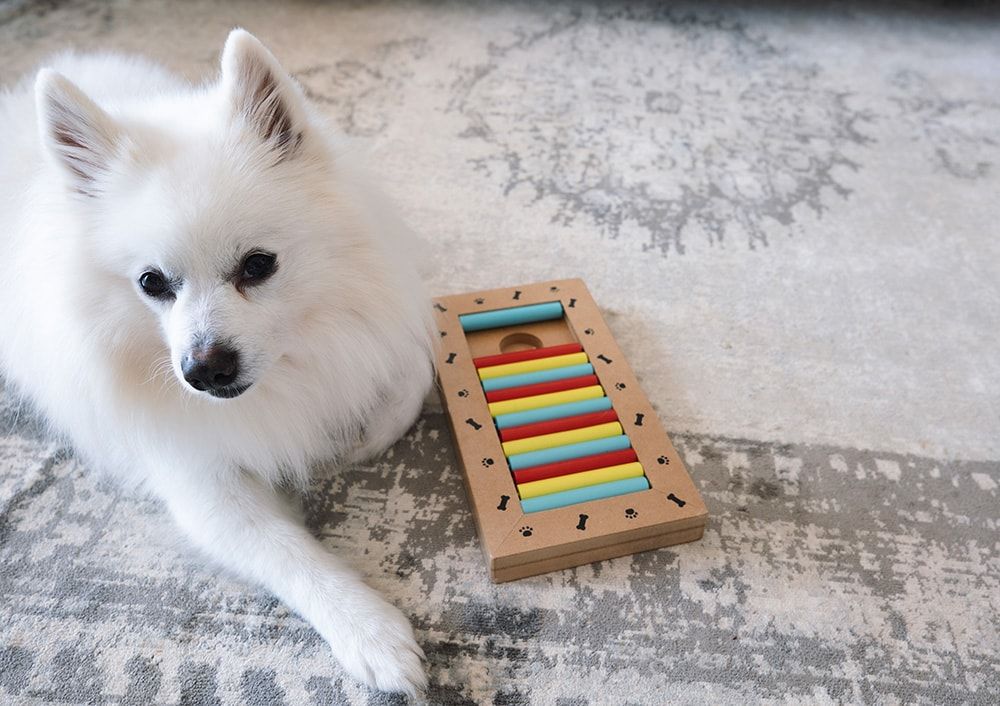
View 1 More +One way humans like to keep their brains sharp and prevent boredom is by diving into various types of puzzles. This can go for your dog, too. There are plenty of interactive puzzle toys designed specifically for dogs that help feed their curiosity and provide them with some much-needed mental stimulation.
The benefits of puzzle toys are incredible, but how do you get your dog interested in puzzle toys in the first place? We have some tips and tricks below to help you pique your dog’s interest and get them started with these handy toys.

The 7 Tips and Tricks to Get a Dog Interested in Puzzle Toys
1. Keep it Simple
When you are first introducing your dog to puzzle toys, make sure you keep things as simple as possible. Some puzzle toys will be more challenging than others, so if you have one that has different difficulty levels, be sure to start on the easiest level and work your way up.
Certain dogs may be up for the challenge right from the get-go, but others may not be willing to take on an unfamiliar challenge that doesn’t provide them with an immediate reward. If the toy contains treats, make sure they can get to them easily at first.

2. Show Your Dog How It Works
If your dog is showing no interest in the challenge of a particular toy, show them how it is supposed to work. Get their attention and once they are fixated on you, show them how it works by doing it yourself and make sure they see the reward at the end of the puzzle.
3. Test Out Different Puzzle Toys
There is a wide variety of puzzle toys available, so you may have to try out a few to see which style suits your dog’s interest. Consider your dog’s toy preferences when deciding on which puzzle toy to try out. Does your dog like playing with balls? If so, get a puzzle toy that has a ball included.
A lot of puzzle toys use treat motivation to keep them entertained. These toys will vary in difficulty and ultimately lead your dog to get a treat or food item (such as peanut butter) as a reward.

4. Keep the Toy Put Away When Not in Use
To add more value to a new puzzle toy, keep it put away until playtime. When your dog has constant access to a certain toy, it can quickly lose its appeal because it’s always available. You will add an element of excitement to playtime when you only pull out the toy during certain, happy occasions.
5. Show Excitement and Give Praise
Your dog is highly affected by your energy and emotions, and you can use this to help get them excited about their new puzzle toy. Each time you take out the toy, use lots of excitement and enthusiasm so they have a positive association with the toy and can share in your excitement.
Once your dog starts actively engaging in play with the puzzle toy, use lots of praise to reinforce to them that this is what you want them to do.

6. Keep Play Sessions Short
Dogs are intelligent creatures, and they can become bored very easily, even when it comes to playing. A lot of dog trainers recommend short training sessions that only last 15 or less to keep their focus and prevent them from becoming distracted.
If you want your dog to have more interest in their new puzzle toy, bring it out when you’re ready for playtime and keep that time short and limited to prevent boredom and distractions.
7. Use Their Favorite Treats
Most puzzle toys use treats as a motivation to get them to solve the puzzle. If your dog is lacking interest in a particular toy, try putting their favorite treat in there to see if you can get a response.
If your dog is not treat-motivated, you may have to go a different avenue and try a puzzle that isn’t geared toward treats. There are plenty of options available and depending on your dog’s interest, you are sure to find something that works.


Benefits of Using Puzzle Toys
There are plenty of benefits that puzzle toys offer to both dogs and their owners. Here’s a quick look at some of the reasons you should offer puzzle toys to your dog.
Helps Alleviate Boredom
Whether you are busy doing things around the house, or you must leave your dog at home for a while you are out and about, puzzle toys can be a highly effective way to alleviate their boredom and keep them occupied while you aren’t presently engaging with them.
These toys are designed to give them a challenge, which stimulates them both physically and mentally. The more challenging the toy, the longer your dog will be occupied. Boredom can lead to many unwanted behaviors, so it’s always good to have entertainment handy.
Provides Exercise and Mental Stimulation
Dogs should be getting at least 30 minutes or more of exercise each day, which can be difficult to fit in if you have a busier schedule. Puzzle toys are one way to keep your dog physically -and mentally stimulated since they bring about new ways of being active.
Acts as a Distraction for Separation Anxiety
Numerous dogs suffer from moderate to severe separation anxiety when they are apart from their human family. Puzzle toys can help distract these dogs from feeling anxious by keeping them preoccupied as they try and solve their puzzle and get their treat or reward. An experienced veterinarian can give you some great advice on other possible ways to distract your dog.
Great for Fast Eaters and Those with Sensitive Stomachs
Some puzzle toys are designed specifically for dinner time. Puzzle feeders are a great way to slow down eating and help aid in digestion. These crafty, maze-like bowls are not just made to keep your dog stimulated, but they are great for that too. The challenging setup keeps them from gulping down mouthfuls of food, which can help prevent regurgitation and bloat.
Prevents Destructive Behaviors
Last but not least, interactive puzzle toys can significantly help reduce destructive behaviors that result in damage and ruin to various household items. Destructive behavior can be a result of fear, boredom, or anxiety and puzzle toys can help alleviate these issues by keeping them occupied, distracted, and entertained.


Summary
If your dog doesn’t take naturally to puzzle toys at first, there are plenty of ideas you can implement to help get them into it. Thankfully, there is no shortage of variety so even if your dog doesn’t like a certain style, you have plenty more you can try out for size. Puzzle toys are not only great for their mental health but their physical health, too.
See also:
Sources
Featured Image Credit: Lenti Hill, Shutterstock
Expert dog care, straight to your inbox
News, insights, expert advice, and everything dog.

No spam — unsubscribe anytime.
By signing up, you agree to our Terms & Conditions and Privacy & Cookies Policy.
How useful was this post?
Click a star to rate. You can leave written feedback afterwards. (We read all feedback.)

I am a wife, mother, nature enthusiast, animal lover, and business major. I was born and raised in Ohio but now live in Tulsa, Oklahoma. We share our home with a German Shepherd, several snakes, tarantulas, and a couple rescue cats.
My husband and I enjoy traveling the US with our kids and photographing wildlife. My passion is to educate others on the importance of proper animal care, with an emphasis on reptiles and exotics since their care requirements can be much more complex. I am also a huge advocate for bully breeds. I feel most at home in the forest either on horseback or in hiking boots.